Columbia drivers live in a sweet spot of Southern charm and seasonal curveballs. One week you’re cruising down Gervais with sunshine bouncing off the Congaree, the next you’re dodging pine cones after a fast-moving summer storm. The road may be familiar, but on a busy morning, a chipped or cracked windshield can turn an ordinary commute into a game of guesswork. A lot of folks think glass is just glass. In reality, your windshield is one of the most important structural and safety components in your car. If it’s compromised, you’re not just squinting through spider veins, you’re risking airbag performance and roof strength.
That’s why windshield replacement in Columbia deserves more than a quick nod. It’s not simply a cosmetic fix. It’s a clear line between safe and sketchy, especially when the weather, traffic, and construction zones keep presenting fresh opportunities for flying debris. I’ve worked with enough drivers to know the script: the crack starts small, you promise yourself you’ll handle it next week, then the temperature swings or a pothole does the honors and that hairline turns into a winding interstate.
Let’s talk about how to judge the damage, how to choose a shop, what to expect during service, and when mobile auto glass service Columbia drivers rely on makes more sense than a shop visit. Along the way, we’ll thread in the local realities: summer heat that puts pressure on glass, pollen that seems to find its way under everything, and roadwork that is both necessary and very talented at chucking tiny rocks.
Why a windshield is more than a window
Your windshield is laminated safety glass, two panes fused with a clear vinyl layer in the middle. That sandwich does three crucial things. It resists shattering into dangerous shards, it supports the roof in a rollover, and it provides a rigid backing for passenger-side airbag deployment. When an airbag blows, it hits the glass first in many vehicles, then rebounds toward the passenger. If the glass is not bonded tightly or is already compromised, the bag may push the windshield outward instead of protecting the person. That’s not a theoretical edge case. I’ve seen airbags dislodge poorly installed glass more than once. The difference between a strong urethane bond and a rushed job is measured in millimeters and milliseconds.
Vision is the obvious piece. Columbia’s late-afternoon glare is no joke, and a cracked windshield refracts light in all the wrong ways. You don’t need to be a physicist to know that a long crack can turn every oncoming headlight into a light saber. Rain doesn’t help. Water tracks along the crack, mirrors it, and your wipers can’t remove distortion. If you drive at night or in storms, small defects behave like funhouse mirrors, stealing your depth perception.
When a repair is fine and when replacement is smarter
Not every chip is a tragedy. Resin repairs are a cost-effective way to stop small damage from spreading while restoring clarity. The rule of thumb looks simple, but there are caveats:
- A repair is appropriate for chips smaller than a quarter and cracks shorter than three inches, especially if they’re not in the driver’s primary line of sight. Replacement is the safer bet for cracks that branch, damage at or near the edge of the glass, or when the lamination layer has turned cloudy or white.
That’s our first list. It deserves to be short and blunt, because the decision matters. A lot of shops in the auto glass repair Columbia market will repair a chip that qualifies, but the honest ones will tell you when the edges are compromised. Why does the edge matter so much? Glass flexes, and the perimeter bears most of the load during body movement. An edge crack keeps growing as the car turns, brakes, and hits bumps. That’s why a chip near the frit (that dotted perimeter) is more worrisome than a tiny bullseye in the center.
Another factor is temperature swing. Columbia has those 45-degree mornings that graduate into 85-degree afternoons. Glass expands and contracts, and a crack already under stress can grow an inch while your car warms up. If you park outside, err on the side of replacement for anything borderline.
The modern wrinkle: driver assistance cameras and sensors
Newer cars include ADAS features: lane departure warnings, forward collision alerts, adaptive cruise control. Many of these systems depend on a camera mounted to the windshield. Replace the glass, and you change the angle and distance. That means calibration. Skipping this step is not an option. A camera that’s a few degrees off can read the wrong lane marker, or fail to alert you to a closing gap.
Some cars require static calibration on a rack with targets, others need dynamic calibration on a prescribed road route at set speeds, or a combination of both. If you’re pricing windshield replacement Columbia shops, ask about OEM or OEM-equivalent glass and whether they perform on-site calibrations or coordinate with a trusted partner. You want a written note of calibration performed, not a shrug and a “you should be good.”
Cost-wise, calibration can add a few hundred dollars and 30 to 120 minutes, depending on the car. It’s money well spent. A misaligned camera is like wearing the wrong prescription glasses: you’ll still see, just not the things you truly need at the right time.
Timing matters: the case for same-day service
If the damage is spreading or directly in your sightline, same-day windshield repair Columbia drivers ask for isn’t a luxury, it’s risk management. The longer you wait, the more likely the crack grows. A small jump in length can push you from a simple repair into a full replacement, which costs more, takes longer, and may require calibration.
Shops with solid inventory can often handle same-day replacement for common makes and models. Specialty glass, heated windshields, acoustic laminates, or rare trims sometimes require a day or two. If you commute daily or park on the street, a temporary film or patch can help keep moisture and dirt out of a chip while you wait, but that’s a stall tactic, not a fix.
Mobile service or shop appointment?
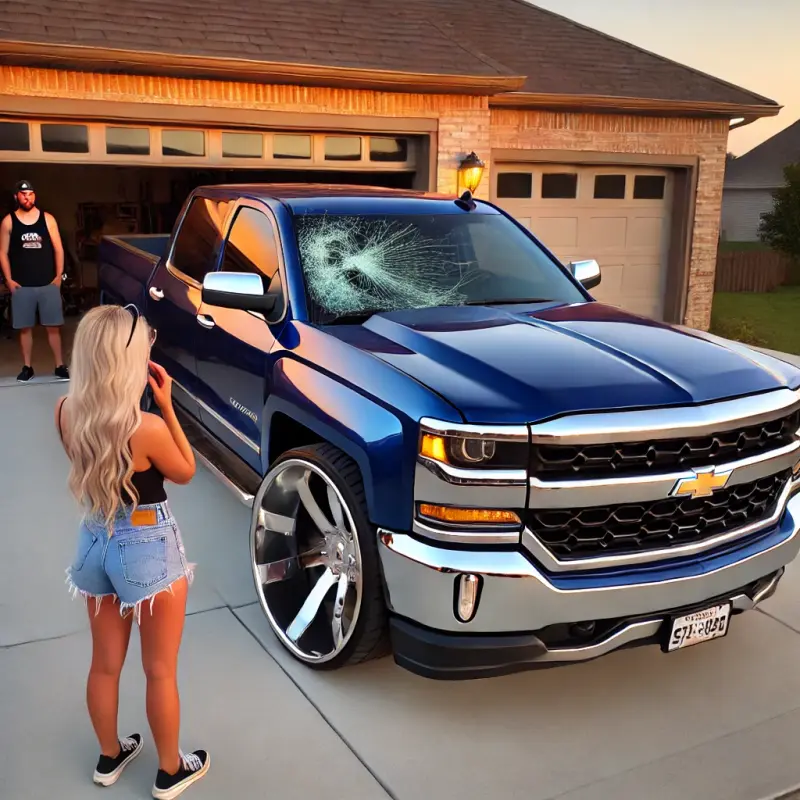
Columbia’s traffic ebb and flow, especially around campus or State House events, can make a quick drop-off turn into a half-day errand. Mobile auto glass service Columbia drivers use can be a lifesaver for busy schedules. A qualified mobile tech brings the glass, the adhesives, and the tools to your driveway or office parking lot. Done right, the results match a shop installation.
The decisive factor is environment and complexity. Urethane adhesives cure best within certain temperature and humidity ranges. Direct sun on a black dashboard can turn the interior into a kiln, which is great for curing, not for tech comfort. A good mobile tech uses shade, canopies, and moisture meters to manage the variables. ADAS calibrations sometimes require shop equipment, and heavy rain complicates bonding. If you have a late-model vehicle with complex sensors or the weather looks moody, a shop visit might be the smarter call.
From my experience, mobile works beautifully for most standard replacements, and it’s unbeatable for fleet vehicles that can’t afford downtime. For tricky camera systems, rain-sensing setups, or luxury models with heads-up displays, schedule at a facility that can calibrate and verify in controlled conditions.
The art and science of a proper install
A windshield replacement looks easy on social media: two suction cups, a bead of glue, and a confident drop-in. The devil lives in the prep, the geometry, and the cure. Here’s what solid work includes, and why it matters.
The technician will protect your paint and dash, remove wipers and cowl panels as needed, then cut out the old urethane carefully without gouging the pinch weld. That painted channel is your car’s defense against rust. Scratch it, fail to prime it, and you invite corrosion under the new bond. Rust doesn’t stay put; it creeps. A year later you’ve got leaks, wind noise, and a bond that won’t pass a tug test.
Next comes glass handling. Quality glass arrives clean and protected. The installer dry-fits to check alignment. Then the surface prep: activators for the frit, primer for any bare metal, and the correct viscosity of urethane for the day’s temperature. Urethane has a shelf life. It also has a minimum safe drive-away time, which depends on the product, bead size, and weather. If someone tells you it’s safe to drive immediately after installation, be skeptical. Most high-strength adhesives list drive-away times between 30 minutes and 2 hours at 70 to 75 degrees. Cold weather adds time.
Bead geometry sounds nerdy, but a uniform triangular bead ensures consistent squeeze and adhesion. Too thin and you get gaps, too fat and it oozes everywhere and can push the glass out of alignment. When the glass sets, the tech should check reveal moldings, wiper function, sensor connectors, and rain channels. The cabin should be left clean, with the inspection sticker or toll tag transferred.
Where quality shows up later: leaks, noise, and clarity
A few days after a replacement, you learn if the job was excellent or “good enough.” Wind noise around 45 mph often means a missed clip or a gap at the molding. Water on the passenger floor after a car wash means the urethane joint was incomplete or the cowl wasn’t seated properly. Both are fixable, and reputable shops stand behind their work.
Optical clarity is trickier. Lower-grade glass can have waviness, especially at the edges. You’ll notice it when you glance at a street sign through the lower-left corner. That shimmer gets old. Acoustic interlayers can make a real difference on the highway, particularly in SUVs with big cabin volumes. If you spend hours on I-26, spring for the glass that keeps you from arriving with a headache.
What about door glass and back windows?
Not all glass is laminated. Door and quarter windows are often tempered, designed to shatter into small beads on impact. Car window replacement Columbia residents need after a break-in or a lawn mower incident is a different procedure. There’s no bonding time, but there is a lot of cleanup. Tiny glass beads travel everywhere: seat tracks, door seals, cupholders, speaker grilles. A thorough tech removes the door panel, vacuums from inside the door cavity, and inspects the run channel and regulator. If the window was forced down, the regulator or clips might be bent. Replacing the pane without fixing the track is like hanging a door on a bent hinge; it car window replacement columbia will work until it doesn’t.
Rear windshields are often heated for defrosting. Those embedded lines are fragile. When replacing, confirm the new glass supports defrost and antenna functions if your vehicle integrates them. After install, a quick multimeter test verifies continuity. If the shop offers to tint the new glass, ask whether they use films compatible with embedded antennas to avoid signal issues.
Insurance, pricing, and the local reality
South Carolina’s insurance landscape is relatively friendly toward glass claims, but the details live in your policy. Some comprehensive policies cover windshield repair with no deductible and replacement with a small or zero deductible. Others require you to meet your comprehensive deductible first. Your insurer might recommend a network provider, but you’re free to choose. If you do use insurance, ask whether OEM glass is covered. If not, OEM-equivalent can still be excellent, and some brands are identical to factory pieces without the automaker’s logo.
Price ranges vary by vehicle: a basic sedan windshield might run a few hundred dollars without calibration, while a luxury SUV with sensors and acoustic glass can land in the high hundreds or low thousands. Before you green-light anything, request a written estimate that breaks out glass cost, moldings, adhesive, labor, calibration, shop supplies, and mobile fees if applicable. Transparency is not just polite. It’s how you compare apples to apples.
Choosing a shop without playing roulette
Anyone can buy a tube of urethane. Not everyone should aim it at your car. You want a shop that invests in training, keeps adhesives fresh, and respects the details.
A practical, quick checklist helps separate the pros from the promising:
- Ask how they handle ADAS calibration and get the plan in writing. Confirm the adhesive brand, the stated safe drive-away time, and whether they’ll document conditions. Look for AGRSS/AGSC certifications or equivalent training, and ask how they protect the pinch weld from scratches. Verify warranty terms for leaks, wind noise, and stress cracks, and how claims are handled. If you’re booking mobile service, ask how they manage weather, canopy coverage, and cleanup.
That’s the second and last list. Keep it handy when you make calls. The answers will tell you more than online ratings alone.
Temperature, pollen, and other Columbia quirks
Folks from outside the Midlands think we’re exaggerating about the pollen. We are not. When the season peaks, fine yellow dust infiltrates everything. That matters for windshield bonding. Good techs wipe the glass and the bonding area meticulously before they lay a bead. If they’re working mobile under a pine tree in peak pollen, expect tarps, wipes, and a little extra patience.
Summer sun can soften trim and make the dash hot enough to toast a sandwich. Park in shade on installation day if you can. Heat accelerates cure in a good way, but it also speeds up the outgassing of interior plastics, which leaves a film on new glass. That hazy buildup you see the week after a replacement is often interior plastics releasing vapor. A microfiber cloth and a glass-specific cleaner take care of it. Avoid ammonia-based products if you have aftermarket tint.
Storms roll in fast here. A sudden downpour right after installation is not ideal. The bond should be moisture-resistant after the initial skin forms, but it’s better to avoid direct water pressure in the first few hours. If your day looks stormy, consider an early appointment or a shop install.
Safety shortfalls you can’t see
Most of the risks from a poor windshield replacement don’t announce themselves with a trumpet. They show up in a crash. Improperly prepped metal, old adhesive, or a bond that lacks full contact could allow the glass to separate under force. In a rollover, the windshield contributes to the roof’s strength. If it lets go, roof crush increases. The math is unforgiving. You can’t dial in safety after the fact.
It’s also worth noting that some invisible issues begin at the parts counter. Certain aftermarket glasses have optical distortion or frit patterns that don’t align perfectly with sensors. Many are excellent, and some come from the same factories as OEM pieces, just without the automaker branding. Others don’t. A shop that inspects the glass before install and rejects subpar pieces protects you from hidden compromises.
What to expect on the day of service
If you’re headed to a shop, plan to be without the vehicle for 1 to 3 hours for a straightforward replacement, and longer if calibration is required. Bring anything you’ll need from the car, then let the techs work without rushing them. After installation, keep doors closed gently. Slamming creates pressure spikes that can nudge the bead before it’s fully set.
If you booked mobile auto glass service Columbia style, clear space around the vehicle. Park on level ground, avoid sprinklers, and give the tech access to a nearby power source if requested. The best crews bring everything, but easy logistics make the job smoother. Pets and curious kids should stay at a safe distance. Suction-cup handles look like toys until they are holding 30 pounds of glass midair.
After the job, follow the care instructions. They’re usually simple: avoid car washes for 24 to 48 hours, leave retention tape in place for the day, crack a window to equalize pressure if temperatures swing, and don’t rip off the inspection sticker like you’re opening a gift. If the vehicle needs ADAS calibration, the tech should drive it or run a static procedure, then provide confirmation.
Repair first, replacement when needed
Sometimes a conservative approach wins. If the damage is tiny and out of the driver’s view, resin repair is fast, inexpensive, and effective. A good repair looks like a faint smudge rather than a glass bubble. It restores strength and keeps the crack from spreading. Ask for a UV-cured resin and a guarantee. If the crack grows later, many shops credit the repair cost toward replacement.
If you’re an unlucky magnet for road debris, step back and examine your driving patterns. Following too closely on I-20 behind gravel haulers is a top way to collect chips. Give trucks room to shed pebbles, avoid freshly resurfaced lanes until crews finish sweeping, and skip the temptation to swerve onto the rough shoulder to bypass a turn lane. Small habits save glass.
A word on DIY kits and YouTube confidence
DIY chip kits can help if you’re meticulous and the damage is textbook small. The trouble is that most chips are not textbook, and a botched repair traps air and moisture under resin. Once you fill it poorly, a professional can’t fully undo the result. If you do try it, work in shade, warm the glass slightly on a cool day, and follow the instructions like a pilot reading a checklist. If the chip looks complex, has multiple legs, or sits near the edge, call a pro.
Replacing a windshield yourself is a different conversation. Without the right tools, primers, and training, it’s too easy to damage the pinch weld, misplace the bead, or overlook calibration. Even if the glass doesn’t fall out, you may inherit leaks and rattles that drive you crazy.
Where the keywords meet the road
People search for auto glass repair Columbia because they want the repair done quickly and correctly. They search for windshield replacement Columbia when the damage isn’t repairable, or when it’s a late-model vehicle with ADAS that needs exacting work. The phrase mobile auto glass service Columbia appeals to anyone juggling work and family who can’t camp out in a lobby, while car window replacement Columbia usually follows a break-in or an accidental shatter. The last term, same-day windshield repair Columbia, tells me you’re trying to stop a small problem before it becomes a budget event. No single service fits everyone, which is why a shop that understands these differences can tailor the response.
A realistic timeline from chip to clear view
Most drivers delay for a week or two, sometimes longer, until the crack misbehaves. You can cut the stress curve by acting early. Call, describe the damage, and send a photo. A seasoned estimator can tell you in a minute whether repair is viable. If you book a same-day slot for repair, plan on 30 to 60 minutes and immediate drive-away. If it’s replacement, stock availability decides the speed. Common windshields for popular models are often on the shelf. Specialty glass may take a day or two. Calibration adds time, but it’s baked into the schedule. The entire cycle, from first call to completed job with calibration, can be as quick as a few hours for mainstream vehicles.
Afterward, drive like you installed a new crown on a tooth. It’s strong, but you don’t chew jawbreakers right away. Give the urethane its specified cure time, skip the high-pressure wash for a couple of days, and watch for any signs of leaks after a storm. If something feels off, a good shop would rather tweak and perfect than let a minor issue irritate you for months.
The bottom line for Columbia drivers
A windshield that’s clear, properly bonded, and calibrated turns chaos into routine. It reduces eye strain on bright days, keeps cabin noise down on the interstate, and most important, holds its ground if the worst happens. When you choose where to get it fixed, you’re picking a safety partner, not a commodity.
Treat that decision with the respect you’d give to brakes or tires. Prioritize the shops that explain their process, document their materials, and talk plainly about calibration. Use mobile service when it suits the job, head to the shop when the car’s technology calls for it, and don’t let a tiny chip write its own sequel.
On a typical Columbia morning, you have enough to manage. Your windshield shouldn’t be on that list. Keep it clear, keep it strong, and let the road ahead look like what it is: a path you can see, not one you have to guess at.